Best Professional Gel Polish India Offers for Salons and Studios
20 Aug 2026 · VIRAA Professional · 4 min read
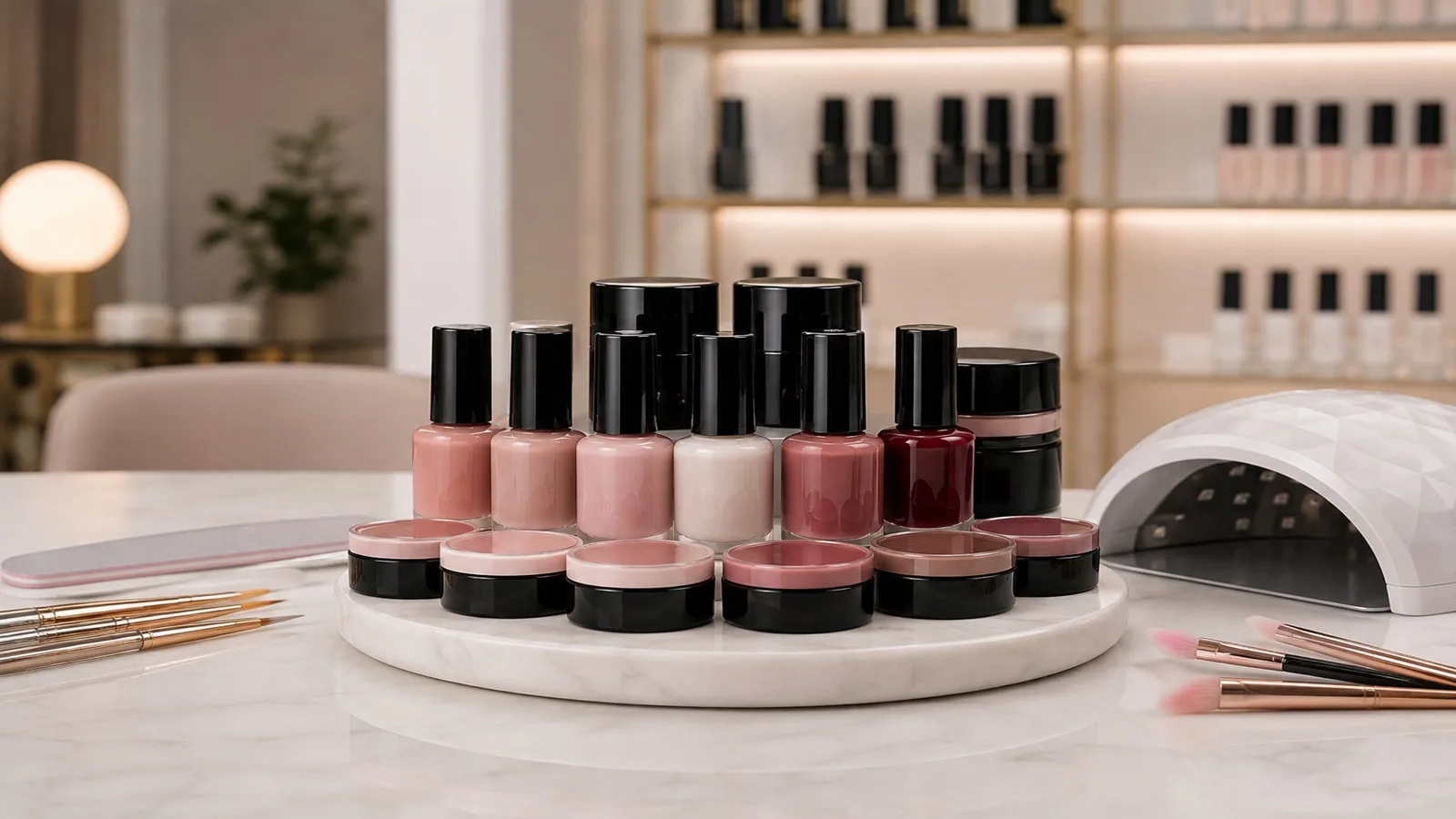
A gel polish either performs the way a technician expects or it does not, and there is very little middle ground once it goes under the lamp. The best professional gel polish India has to offer combines a self-levelling texture with full pigment coverage, so a shade reads true after one thin coat rather than three streaky ones.
Colour payoff decides how a manicure looks in the first thirty seconds. Wear decides how a client feels about it two weeks later. Both depend on formulation, not on how attractive the bottle looks sitting on a display shelf.
What Separates a Strong Gel Formula From an Average One
Pigment density is the first thing to check. A high pigment load means a shade covers in two coats instead of three, which saves appointment time and reduces the risk of a thick, uneven finish that cures unevenly under a lamp.
Self-levelling consistency matters just as much. A formula that settles smoothly hides brush strokes on its own, which is a meaningful difference for a technician working through a full day of appointments without time to fuss over every stroke.
Why HEMA Free Gel Polish India Salons Are Switching To Matters
HEMA is one of the most common triggers for allergic contact dermatitis among people who work with gel products for hours at a time. Technicians applying gel polish daily are far more exposed to this risk than a client getting one manicure a fortnight.
Choosing HEMA free formulas is not a marketing checkbox for a working studio. It is a decision about protecting the hands doing the work, and it is worth asking any supplier directly whether their range genuinely leaves this ingredient out rather than reformulating around it loosely.
One Coat Coverage and What It Actually Means
One coat gel polish claims are common, but the honest version of that claim depends on pigment concentration rather than clever marketing language. A true one coat formula reaches full opacity in a single thin layer over base coat, without needing to be applied thick to compensate.
Applying any gel too thick, one coat or otherwise, is the most common cause of wrinkling and incomplete curing. Thin and properly cured always outperforms thick and rushed, regardless of how the bottle is labelled.
Shade Selection and Getting Colour Accuracy Right
Screens display colour inconsistently, so swatches online should be treated as a guide rather than a guarantee. A shade card with every colour cured on a real tip is the only dependable way to confirm a colour before committing to a full bottle for client work.
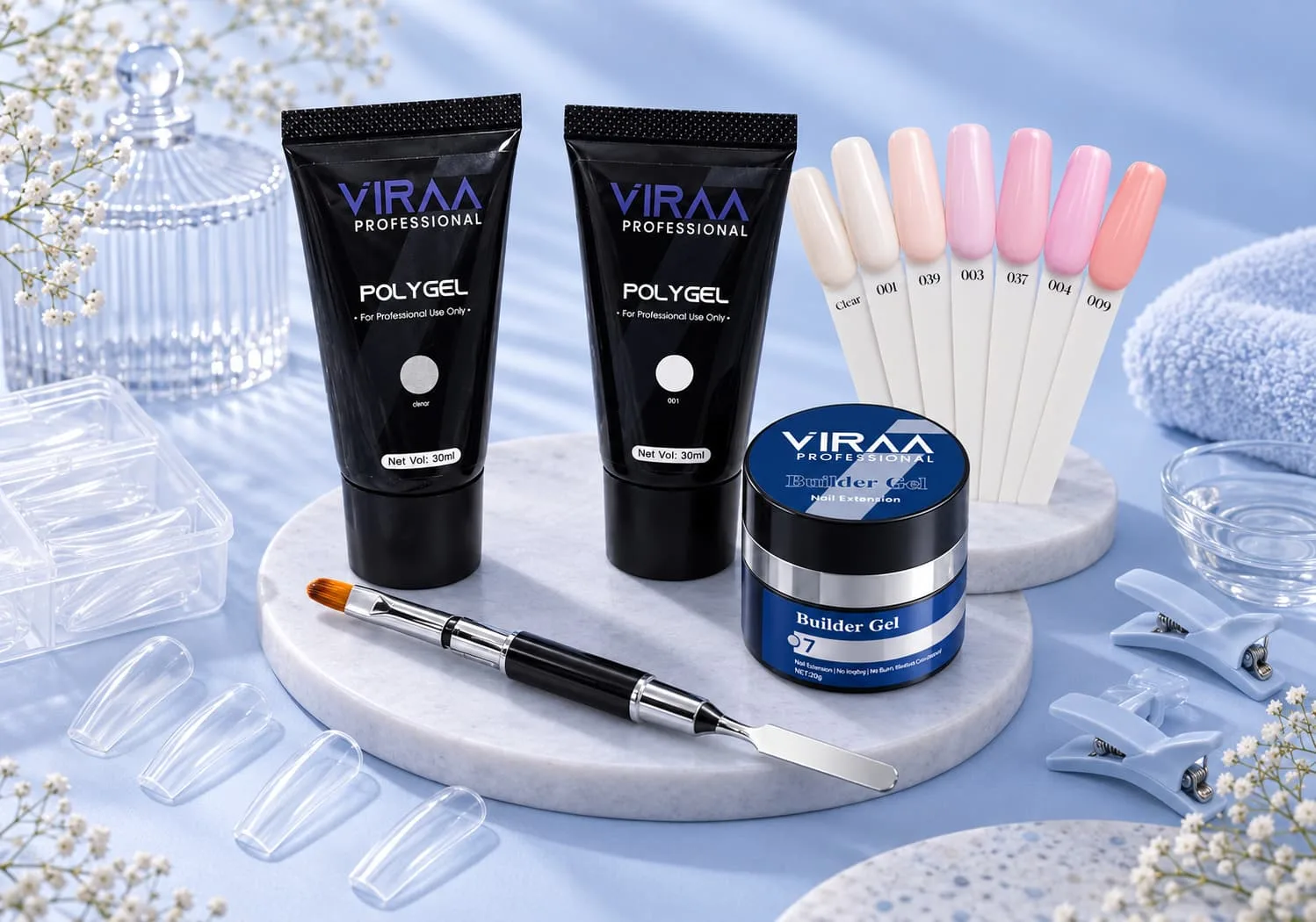
Shade families are usually numbered in sequence, so colours close in number tend to sit close together on the wheel. This makes it easier to build a cohesive palette without duplicating near identical tones across a studio's stock.
Getting the Wear Time You Are Paying For
Longevity is decided far more at the prep stage than at the colour stage. Removing shine with a proper grit buffer, dehydrating the nail plate and capping the free edge on every coat, including the top coat, are the steps that separate a two week manicure from a two day one.
TPO free gel polish formulas cure reliably under both UV and LED lamps when the cure time is followed correctly. Cutting a cure short to save thirty seconds is one of the most common reasons a set lifts within the first week.
Where VIRAA Professional Fits Into a Salon's Colour Range
VIRAA Professional manufactures its full gel polish range without TPO or HEMA, including the 128 shade One Coat collection built for full opacity in a single application. Studios building a complete service can pair colour with the base and top coat range to keep every layer of the manicure compatible.
Technicians restocking their most requested shades regularly will find the shop page useful for browsing the whole catalogue in one place, including bulk-friendly tip and prep essentials that round out a full service.
Troubleshooting the Most Common Gel Polish Problems
Wrinkling during cure is almost always a coat thickness issue or a lamp that has lost output over time. Halving the coat thickness solves it in most cases; if the problem persists, the lamp itself is worth checking, since LED beads dim gradually with age.
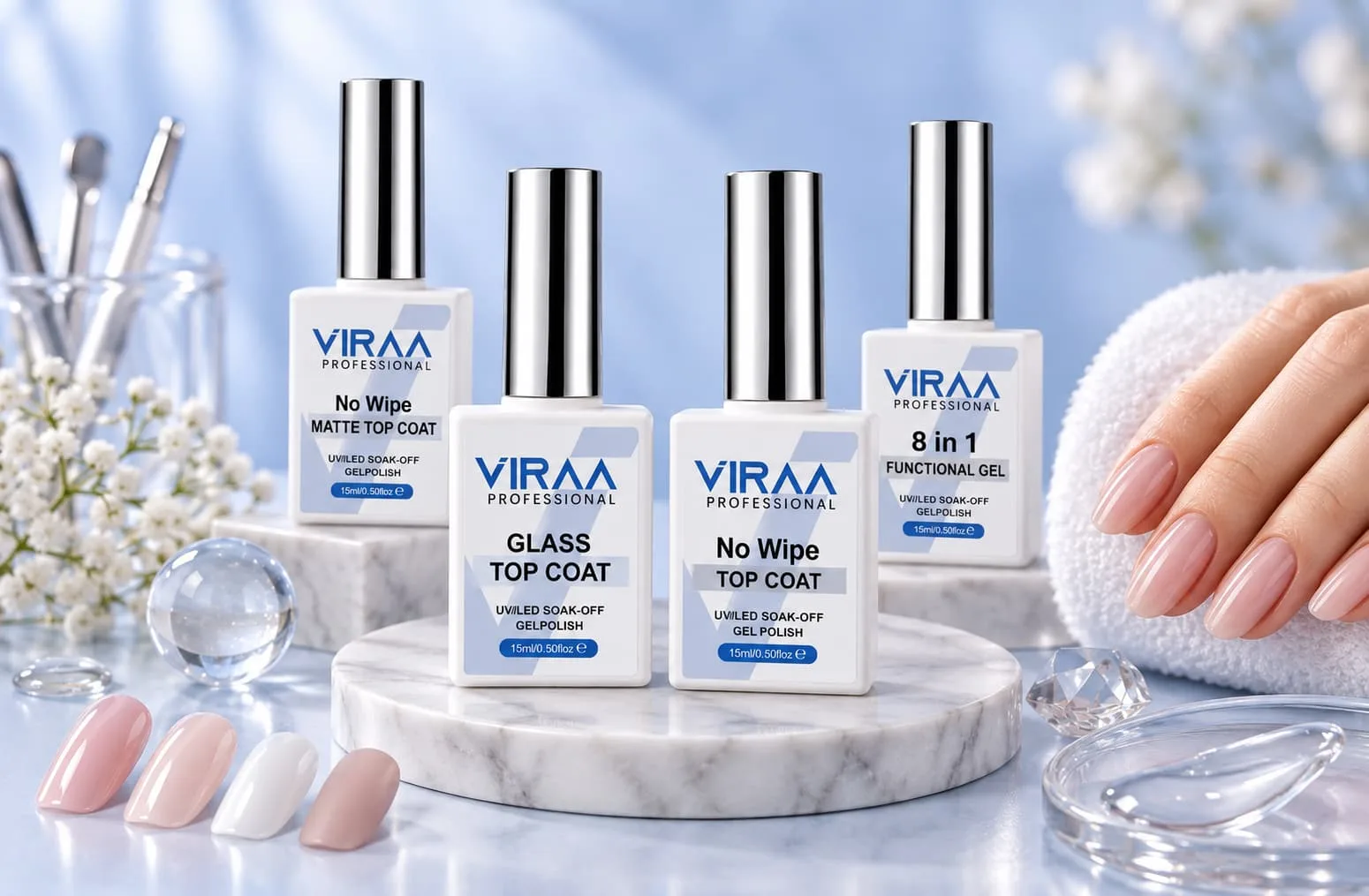
Adhesion issues usually trace back to the base coat rather than the colour layer. Colour gels are only guaranteed to perform within one compatible system, so mixing brands across base, colour and top coat removes a useful troubleshooting variable when a set starts lifting early.
Build your studio's colour wall around a formula that behaves the same every time. Browse the VIRAA Professional gel polish collection and see the difference a properly pigmented one coat system makes to your daily workflow.